

How Blockchain Game Development Is Reshaping In-Game Economies in 2026
 355
355
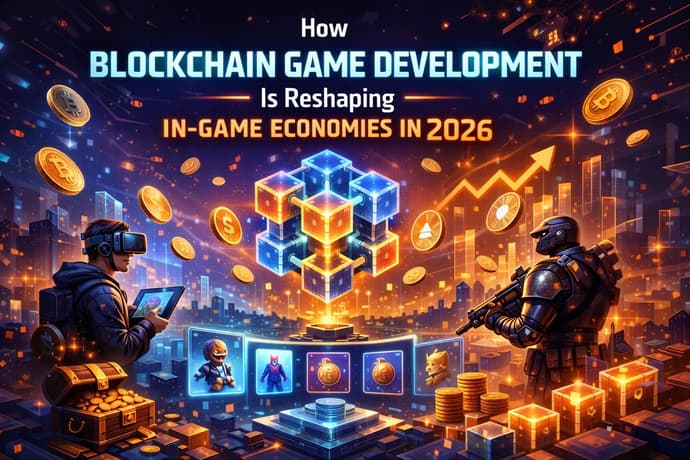
In 2026, in-game economies are no longer side mechanics. They are full business systems that influence retention, revenue, and brand trust. Blockchain game development has moved from experimentation to structured implementation, and companies like Stepico are helping studios design tokenized ecosystems that are sustainable, compliant, and built for long-term growth.
The audience becomes aware if a game continues to approach its economy as a collection of discrete elements. Today's players are aware of transparency, liquidity, and ownership. They anticipate more than just surface-level benefits. They anticipate value that extends beyond the game itself and, in certain situations, beyond platforms.
Real Ownership Is No Longer Optional
The most significant change is simple. Gamers desire possessions that they can truly control. Tokenization of goods, skins, land, or personalities is made possible by blockchain technology. Players can therefore:
- Transfer assets outside the core platform.
- Trade securely without centralized control.
- Verify scarcity on-chain.
- Maintain ownership even if the game updates or changes.
A psychological difference results from this. Engagement metrics shift as players have a sense of ownership. Retention becomes better. Secondary markets develop on their own. The ecology becomes more important to communities.
This isn't about hype for a studio. It has to do with quantifiable economic conduct. Transparent asset models increase trust and lessen conflict. Higher lifetime value is the result of that trust.
Tokenized Economies Require Structure
Tokenization is insufficient on each one. Token models with poor design quickly fail. The entire product may suffer from inflation, speculation, and an unequal distribution of rewards. In 2026, a viable blockchain gaming economy usually consists of:
- Controlled token supply with clear issuance logic.
- Utility that goes beyond speculation.
- Balanced reward mechanisms tied to gameplay skill or contribution.
- Compliance alignment with regional regulations.
Entering studios need to think like finance firms, not just game creators. The development roadmap now includes long-term incentive planning, legal risk assessment, and economic modeling. Technical partners are important in this situation. Unstable systems are less likely to occur when teams are knowledgeable of tokenomics and gaming loops.
Interoperability Is Expanding Player Expectations
Another transformation is interoperability. Assets are no longer locked inside one environment. Players increasingly expect:
- Cross-game compatibility for certain NFTs.
- Wallet integrations that feel seamless.
- Marketplace access without friction.
- Clear transaction visibility.
The request is simple. openness and ease of use. Adoption slows significantly if moving an asset requires five intricate procedures. Trust is lost if fees are unclear. Reliability of the backend and clean UX are now competitive advantages. Studios that combine technical architecture with user-friendliness do better than rivals that just concentrate on blockchain innovation.
Revenue Models Are Becoming More Diverse
Traditional monetization relied on in-app purchases and ads. Blockchain adds new layers. In 2026, revenue streams can include:
- Marketplace transaction fees.
- Staking mechanics.
- Governance participation models.
- Token utility upgrades.
- Cross-platform asset licensing.
This diversity lessens reliance on a single source of revenue. Additionally, it builds resilience in the face of market volatility. Diversification, however, makes things more complicated. Fraud prevention, audit procedures, and smart contract security are essential. Later, shortcuts are costly.
Now is the time to speak with experts if you're thinking about expanding into blockchain ecosystems. Stepico collaborates with studios to create dependable, player-centered blockchain economies that match technical implementation with commercial objectives. Early investigation of expert assistance helps avoid structural issues after launch.
Regulation Is Shaping Design Decisions
Regulatory clarity is improving across major markets, and that changes strategy. Games must now consider:
- Token classification.
- Anti-money laundering compliance.
- Data protection standards.
- Tax reporting mechanisms.
Ignoring these factors exposes one to legal risk. By incorporating them early on, platform stability and investor trust are increased. In 2026, blockchain gaming will be more about organized compliance than experimentation. Governance models are assessed by partners and investors prior to project funding. Due diligence includes transparent documentation. Stronger collaborations are attracted to studios who take blockchain integration seriously.
Community Governance Is Becoming Strategic
Decentralized governance used to sound theoretical. Now it influences roadmap decisions. Players can participate through:
- Voting mechanisms tied to tokens.
- Community funding pools.
- Proposal systems for feature development.
When governance is implemented correctly, it strengthens loyalty. When implemented poorly, it creates confusion. Clear communication is essential. Players must understand what they control and what remains centralized. Transparency builds credibility.
What This Means for Studios in 2026
If entering this market is under evaluation, several practical steps matter:
- Start with economic modeling before token creation.
- Conduct smart contract audits before launch.
- Align blockchain integration with core gameplay, not marketing.
- Plan regulatory strategy early.
- Choose a development partner with real Web3 experience.
Each of these actions improves long-term survivability and lowers danger. Integration with blockchain is not a feature. This layer is economic. That layer needs to be reliable, safe, and easy for gamers to grasp. Stronger ecosystems are created by studios who view blockchain as infrastructure rather than advertising. These ecosystems build scalable digital economies, draw in investors, and keep consumers.
In 2026, the change is evident. Gamers anticipate openness, responsibility, and equity. Investors anticipate sustainability and compliance. Experience is necessary to meet both demands. If creating or improving a blockchain-enabled game is on your roadmap, think about working with Stepico to create a technically sound and strategically sound economy. A solid foundation now saves money on an expensive makeover later.

Kateryna Prykhodko on luova kirjoittaja ja luotettava EGamersWorldin toimittaja, joka on tunnettu mukaansatempaavasta sisällöstä ja yksityiskohtien huomioimisesta. Hän yhdistää tarinankerronnan selkeään ja harkittuun viestintään, ja hänellä on suuri rooli sekä foorumin toimituksellisessa työssä että kulissien takana tapahtuvassa vuorovaikutuksessa.

 Crimson Desertin parhaat kilvet - Rankattu lista ja miten hankkia S-tason varusteita?Täydellinen opas Crimson Desertin parhaista kilvistä. Vertaile perustilastoja, tutustu ainutlaatuisiin bonuksiin ja selvitä, mistä voit hankkia hahmollesi huippuluokan puolustusvarusteita.
 Chillplay
 Miten saada Rhonid Large Shield Crimson Desertissä?Etsitkö Rhonid Large Shieldiä? Seuraa Crimson Desert -opastamme hiipiäksesi Lioncrestin kartanoon ja napataksesi tämän ainutlaatuisen suojakilven, jolla on korkea puolustus ja liikkuvuus.Chillplay
 LCK CUP 2026 Kierros 1-2: Joukkueiden täydellinen listaTutustu LCK Cup 2026:n kierrosten 1-2 lopulliseen rankingiin. Katso, missä Gen.G, T1 ja muut korealaisjoukkueet sijoittuvat yksityiskohtaisessa tasoluettelossamme, kun ne taistelevat paikasta MSI:ssä.Chillplay
 Marvel Rivals -päivitys: Lower Manhattanin kartta2. huhtikuuta 2026 Marvel Rivals sai uuden päivityksen. Tärkein lisäys on Lower Manhattan -kartta.
  stawraith
 #4
#4 Top Esports#6
 Invictus GamingKatso ottelu